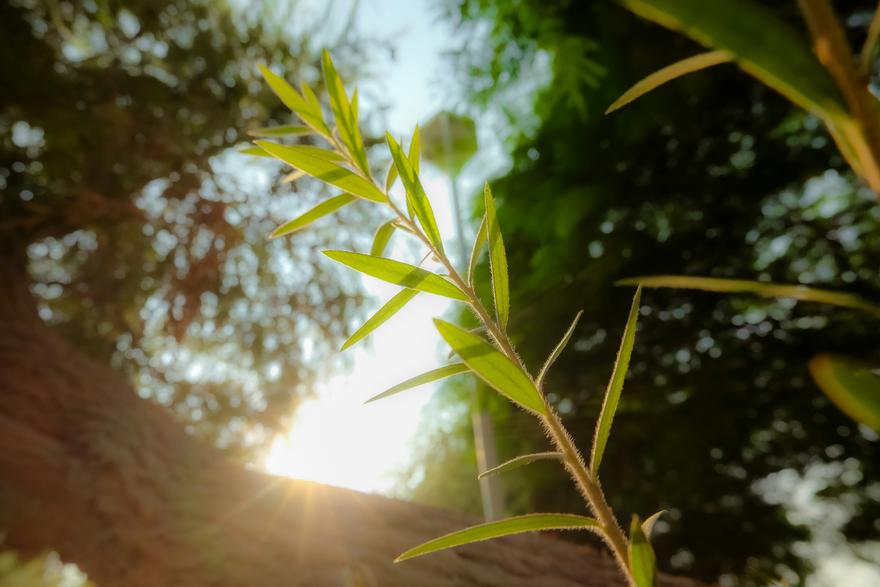
Like a tree that has grown towards the only source of light available, even when that light came from an awkward angle, you have adapted to survive.
For many of us neurodivergent individuals, the journey through life has been marked by bending, reaching, and reshaping ourselves to fit into spaces that weren’t designed for us.
When you’ve spent years trying to understand social rules that don’t come naturally, when you’ve been told repeatedly that your natural way of being is somehow wrong, codependent patterns can take root with particular tenacity.
And it’s also true, and experienced by trees growing in a wonky way towards the light: progress is possible. It may also be one of the most transformative paths to wholeness available.
Just as the wonky tree finds its way, a forest regrows after fire, and as rivers find new courses after floods, you too can heal and thrive.

Understanding the Intersection between neurodivergence and codependency: Why the vines grew this way
Neurodivergent people, whether autistic, ADHD, or otherwise wired differently, often develop codependency as an adaptive response to a world that wasn’t built for them.
Think of a plant growing in rocky soil with limited water. It sends its roots sideways, wrapping around whatever support it can find, reaching desperately toward any source of nourishment. Although it can feel like weakness, it’s actually survival intelligence.
The constant need to interpret neurotypical social cues, the fear of being “too much” or “not enough,” and the experience of rejection sensitivity create a perfect storm for losing yourself in others’ needs and perceptions. Like a vine that wraps itself so thoroughly around a trellis that it forgets its own shape, codependency and putting other people’s needs before your own, becomes your structure.
You learned to read the weather in others’ faces and adjust your behaviour accordingly. You became fluent in the language of their needs, while your own words went unspoken. You pruned yourself back again and again, hoping that a smaller, more acceptable shape would finally be alright for them.
You didn’t realise it never could be alright, and you lost yourself in the process.
This pattern, however understandable it is, ultimately disconnects you from your own internal compass. It disconnects you from your own roots reaching down into the earth of who you actually are.

What Is Earned Secure Attachment?
Earned secure attachment is the beautiful possibility that even if you didn’t receive consistent caregiving in childhood, by people who took time to understand you, you can still develop the internal security and relational patterns of secure attachment through intentional healing work.
In the absence of understanding about our neurodivergence, which is incredibly common as we humans have only developed our collective understanding of different neurotypes in the past few decades, it’s possible you will have developed an anxious, avoidant, or disorganised attachment style.
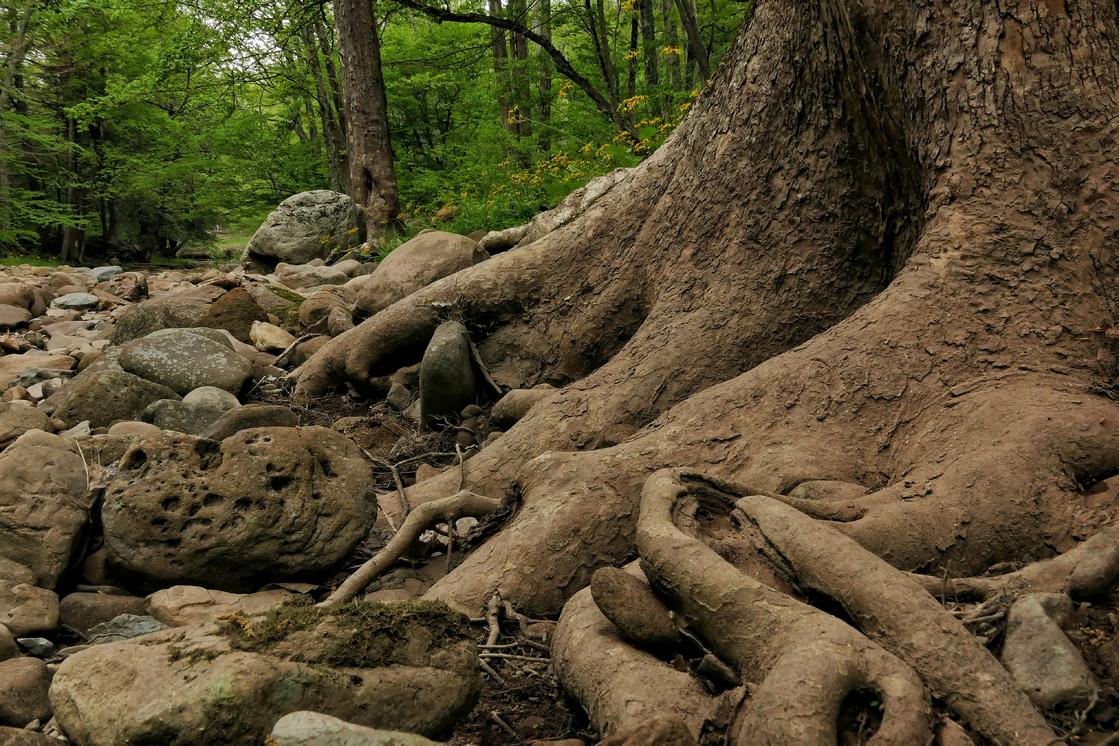
Think of it like this: perhaps you were a seedling that sprouted in shade, that twisted toward any chink of light between the trees, that never developed the deep roots of a tree growing in broad open sunlight.
Earned secure attachment is the discovery that you can, even now, send down those roots. You can strengthen your core. You can grow toward the light on your own terms.
You’re not bound by your past. Your nervous system can be enriched and restored just as a tree can find more nutritious soil. Your sense of self can be reclaimed and strengthened, as you find the nutrients you need.
The Foundation: Tending Your Own Garden through Self-Empathy
Self-empathy is perhaps the most radical act for someone emerging from codependency. It means turning toward yourself with the same compassion you’ve so readily offered others. It’s choosing to tend your own garden after spending years cultivating everyone else’s.
For neurodivergent people, this includes specific dimensions:
People who can offer secure attachment modelling become like the established trees in a forest whose presence changes the microclimate, making it possible for younger saplings to thrive.
Watching others maintain boundaries, express needs directly, and show up consistently helps you to see what healthy relationships can look like. You begin to internalise that secure relationships have room for your full humanity, the way a healthy forest has room for many species.
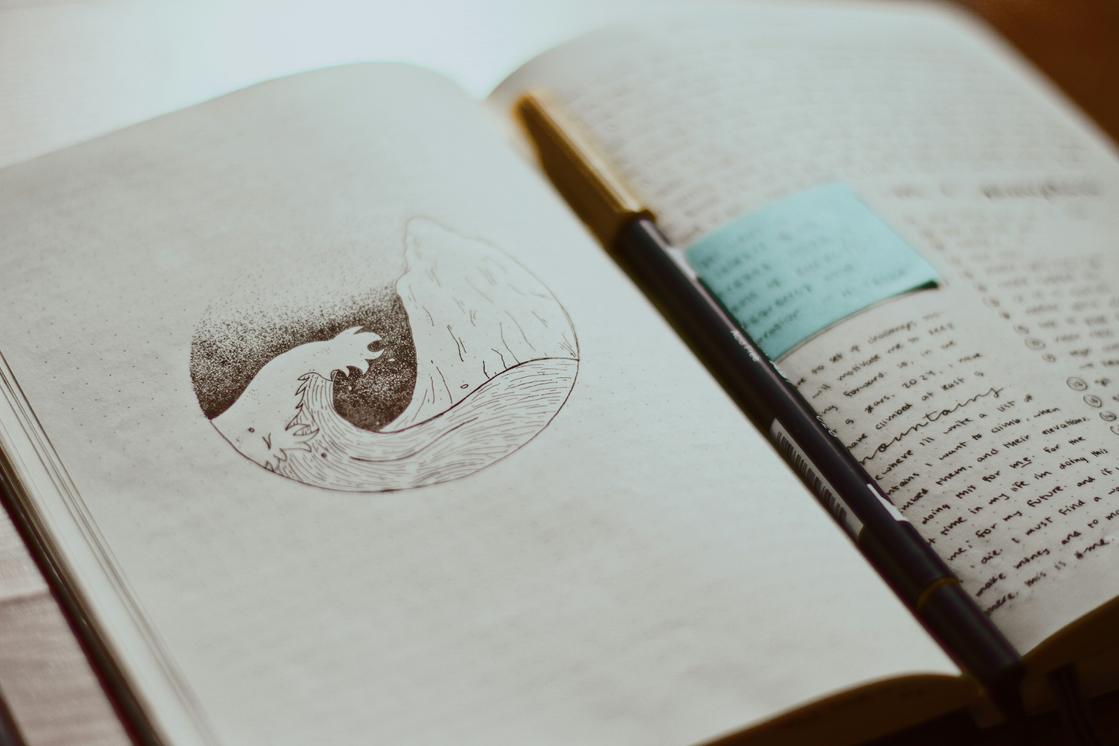
Seek out direct experiences of empathy. Find trusted people who can offer a kind word. Keep an empathy journal and notice the words that resonate the most. Find people in our online community. Practice using the words in our growing guides. Soak up as many phrases as you can that you can use towards yourself.
This is an ongoing ritual of noticing and gathering phrases that nourish your soul. Keep the words close, write them on a note on your fridge, have them as a screensaver on your phone. Make them your mantra, and they will become the strong trunk of your tree, flexible and yet solid.
Grieving what wasn’t understood. There’s profound pain in realising how much of your life you spent trying to be a different species of plant entirely. Like a cactus being told it should bloom like a rose, or a night-blooming flower shamed for closing during the day. Self-empathy means acknowledging this pain, letting yourself feel the full weight of seasons spent in the wrong climate.
Validating your neurodivergent experience. Your sensory sensitivities, your need for routine, your intense interests and your different communication style aren’t defects any more than a fern is defective for needing shade or a sunflower is wrong for turning toward light. Self-empathy means recognising that your ecosystem has different requirements, and that’s not only okay but brings unique beauty to the landscape.
Compassion for your adaptive strategies. The vine grew around the trellis because that’s what vines do to survive. Codependency made sense given your circumstances. It was your photosynthesis, your way of converting available resources into the energy to keep living. Self-empathy means understanding why these patterns developed and honouring the survival wisdom in them, while also recognising you can choose different growth patterns now that you have more resources.
So what can you actually do? Self-empathy might look like pausing when you notice yourself abandoning your needs, placing a hand on your heart like you’d place a hand on the bark of a treasured tree, and asking: “What do I actually need right now? What would help me put down roots? What would be kind to the living system that is me?”

The Power of Community: Finding Your Ecosystem
In nature, nothing heals in isolation. A single tree cannot make a forest; a forest cannot thrive without the amazing networks connecting root systems underground. For neurodivergent people recovering from codependency, finding the right community can be transformative:
Neurodivergent-affirming spaces are like finding your native habitat after trying to survive in foreign terrain. These are the places where you don’t have to mask, where your communication style is understood, where you can be as direct as a hawk’s flight without being labeled as rude. These spaces teach you through experience that authentic connection is possible, that you can grow upright instead of twisted, and that your natural shape is welcome.
Mutual support without enmeshment shows you the difference between a symbiotic relationship and a parasitic one. Healthy community is like a coral reef with many different organisms living in close proximity, some even supporting each other, but each maintaining its own structure and integrity. You can care about others and receive care without losing yourself; interdependence differs fundamentally from codependence.
This might mean joining our neurodivergent support group or other groups, working with one of our approved neurodivergent-affirming therapists or another professional, or cultivating friendships with people who understand both neurodivergence and healing dynamics. It’s about finding what works for your ecosystem and the conditions under which you can actually flourish.

Developing Self-Awareness: Learning to Read Your Own Seasons
Self-awareness is the bridge between patterns you inherited and choices you can make. For neurodivergent people, this is like learning to read your own rhythms the way you’d learn to read the cycles of nature:
Noticing your patterns. When do you abandon yourself for others, like a plant wilting in the wrong season? What triggers your people-pleasing? Which situations make you lose track of your own needs like a river forgetting its banks? Keeping a simple log or voice notes can help you spot patterns, in the same way naturalists track animal migrations or seasonal changes. You can log what you find in our WeTheRooted app.
Understanding your nervous system. Learning to recognize when you’re in fight-flight-freeze-fawn responses versus when you’re in a regulated state gives you crucial information. Your body, like the natural world, speaks in signs: the tightness in your chest is like storm clouds gathering, the flutter of anxiety like wind picking up before rain. Your body often knows before your mind does. It remembers every season you’ve weathered. You can explore our calming activities in the WeTheRooted app.
Distinguishing your needs from internalised expectations. This is particularly complex for neurodivergent people who’ve spent years conforming, much like a river that’s been channeled into concrete.
Ask yourself: “Is this actually my value, or is this what I learned I ‘should’ want? Is this my natural course, or am I following someone else’s blueprints?”
Identifying your actual preferences, boundaries, and values. Who are you when you’re not performing? What brings you genuine joy versus what you think should bring you joy? What are your actual limits, not the limits others expect, but your true capacity, like knowing exactly how much water a particular plant needs? This is about discovering your native habitat requirements.
Journaling, body-based practices, and therapy modalities like Internal Family Systems can all support this deepening self-awareness. Think of it as becoming a naturalist of your own inner landscape.
Key Factors Supporting Healing: Restoring the Soil
Regulation practices tailored to your neurodivergence. Just as different plants need different conditions, some shade, some sun, some frequent watering, your regulation needs are specific to you. Standard mindfulness might not work for your neurodivergent brain any more than desert conditions work for a marsh plant. Stimming might be regulatory for you. Movement, special interests, or specific sensory inputs might be your photosynthesis. Honour what actually works for your unique ecosystem.
Learning about attachment theory and codependency. Knowledge is power, like understanding which plants you want to grow in your garden and which are uninvited weeds. Understanding where these plants came from gives you the space to choose what you would like to nourish and grow.
Practicing boundaries. Boundaries are like the banks of a river because while they don’t stop the flow, they give it form and direction. Start small. “I need to check my calendar before committing.” “I prefer written communication for important topics.” “I need to take a break.” Each boundary honoured is like adding nutrients to depleted soil, making future growth more sustainable. Log each one on the WeTheRooted app and see how you are growing new behaviours.
Reparenting yourself. Offer yourself the attuned presence you needed but perhaps didn’t receive. This is about becoming your own gardener and noticing when you need water, when you need space, when you need support. Notice your needs. Validate your feelings. Follow through on commitments to yourself. Celebrate your unique way of growing in the world.
Processing trauma. Codependency and insecure attachment often have trauma at their roots, where there has been damage to the soil itself. Working with trauma-informed professionals who understand neurodivergence can help you heal what’s underlying these patterns, the way restoring wetlands can heal entire watersheds. Check out our approved professionals who can help.
Building distress tolerance. Healing means sitting with the discomfort of disappointing others, of not having all the answers, and of being imperfect. It’s like a seedling pushing up through hard ground: it feels uncomfortable, effortful, and necessary for growth. This gets easier with practice and support, the way soil becomes easier to work once it’s been tended. Post in our community and let us know how you are getting on. We can give you the encouragement you need to keep going.
Celebrating neurodivergent identity. Healing isn’t about becoming neurotypical. Instead, it’s about being securely yourself, the way an oak doesn’t try to become a pine. Connecting with neurodivergent culture, learning from neurodivergent role models, and embracing your neurotype supports earned security. You’re not a broken version of someone else; you’re a complete version of you.

The Path Forward: Seasons of Growth
Earned secure attachment doesn’t mean you’ll never feel anxious about relationships or never struggle with codependent urges. Healing isn’t about achieving some perfect state any more than a forest achieves perfection. There are always storms, dry seasons, times of abundance and scarcity.
What it means is that you’ll have increasingly more moments of coming home to yourself, like a migrating bird returning to familiar territory. You’ll trust your internal experience the way a tree trusts its own roots to find water. You’ll maintain your sense of self even in close connection with others, the way trees in a forest can intertwine branches while remaining distinct beings.
It means you’ll gradually spend less energy trying to read minds and more energy expressing your actual thoughts, like finally speaking in your own language instead of constantly translating someone else’s. You’ll catch yourself mid-people-please and choose differently. You’ll notice when a relationship requires constant self-abandonment, when you’re being asked to grow in impossible conditions, and have the strength to address it or walk away.
For neurodivergent people, this path often includes an additional dimension: the recognition that you were never actually broken. You’re not a failed neurotypical person any more than a cactus is a failed fern. Your differences are real and valid adaptations to your particular way of experiencing the world. The world’s failure to accommodate you isn’t your failure to adapt sufficiently: it’s like blaming a water lily for not thriving in a desert.
Earned secure attachment, in this context, becomes not just healing from codependency but also reclaiming your authentic neurodivergent self. Learning that you can be fully yourself and still be worthy of secure, healthy love. Like discovering you’re a wildflower that belongs in a meadow, not a garden flower that needs constant cultivation.
The journey takes time, patience, and support. Seeds don’t sprout overnight. Trees grow slowly. Ecosystems recover gradually, season by season. But healing is written into the very fabric of nature. Forests regrow after fire, richer and more diverse than before. Rivers carve new channels through rock. Life finds a way, not back to what was, but forward into what can be.
You can learn new patterns, the way a river learns a new course. You can heal, the way wounded bark grows over and strengthens. You can become securely attached to yourself, and with others, while remaining beautifully, authentically, uniquely yourself. Your particular way of growing in the world, your neurodivergent way of being, isn’t something to overcome. It’s your nature, as essential and worthy as any ecosystem on Earth.
Please note: Healing is not linear, and everyone’s path looks different. If you’re struggling, please reach out to mental health professionals who understand both neurodivergence and attachment/codependency issues. You deserve support that honours all of who you are, every season, every growth pattern, every part of your unique ecosystem.









Comments